

Translate business hours into lighting requirements
A sign showing office hours does not describe every lighting need in a commercial building. Staff may arrive before opening, cleaners may work afterward and deliveries may occur outside customer hours. A warehouse can have different picking, receiving and office schedules. Start with a weekly account of activity in each lighting zone, including the people who use the property when the main business is closed.
For a Mississauga office building or shopping plaza, distinguish tenant spaces from common areas and exterior routes. The same closing time should not automatically control all three. Ask which areas can follow a fixed schedule, which need occasional access and which require a different operating arrangement. This creates a practical basis for timer selection and programming. It also reveals situations where a sensor, daylight control or revised zone may be more suitable than a timetable alone.
Choose a scheduling approach the property can maintain
Scheduling can range from a straightforward local timer to a system that manages many zones centrally. The useful level of complexity depends on how frequently hours change, who administers the building and what information the facility team needs. A simple device may be appropriate for one predictable area; a portfolio with varied tenants and regular exceptions may benefit from more coordinated management.
Evaluate how schedules are entered, how holidays are handled and how the correct time is maintained. Where equipment relies on communication services or software, clarify account access, ownership and any ongoing requirements before selection. The person who will operate the system should be involved early enough to judge whether the proposed interface is practical. Sophisticated scheduling offers little value if no one knows how to update it or if access remains tied to a former employee’s account.
Coordinate timers with photocells and occupancy controls
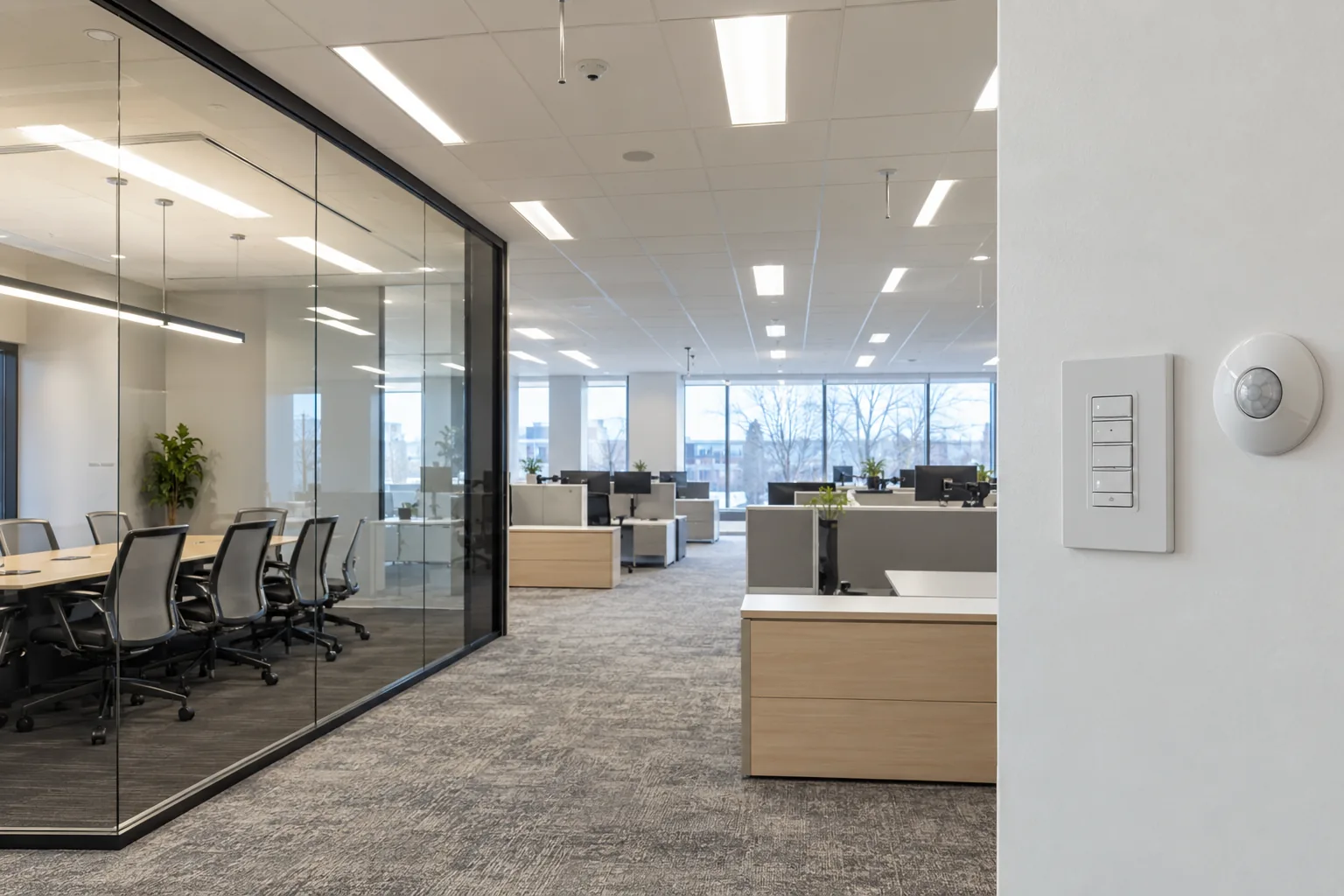
A timer determines when a scheduled event occurs; it does not necessarily know whether daylight is available or whether a late worker remains in the building. Combining controls can address these differences, provided their sequence is defined. An exterior zone might use a schedule together with daylight response, while an interior area may need an occupied override outside standard hours.
Document what happens when conditions overlap. If a photocell indicates darkness before the scheduled start, should the zone operate? If a user activates an override, when does it end? What happens after a power interruption? These are questions for the equipment and project scope, not assumptions to leave until handover. Link the planning to exterior controls or occupancy sensing where appropriate so each element contributes to one coherent operating pattern.
Design temporary overrides without losing the schedule
Unexpected work happens: inventory counts run late, an event extends beyond closing or a delivery is delayed. A system needs a practical response that does not require staff to change the permanent schedule every time. Discuss local access, duration, permissions and how the temporary state ends. An override that remains indefinitely can quietly defeat the intended operating plan.
Use language that building users understand. A control labelled with an obsolete tenant name may invite errors even when the wiring and programming are correct. Keep zone names consistent across floor plans, equipment labels and operating instructions where those are included in the scope. For shared buildings, identify who can approve an extended operating period and who handles a complaint. These ordinary administrative details can be as important as the timer itself in preventing dark occupied areas or unnecessary overnight operation.
Treat holidays and seasonal changes as operating events
Commercial schedules often change around holidays, seasonal trading, shutdowns and special projects. A fixed weekly pattern may be adequate most of the year but still produce avoidable lighting use or access complaints on exceptional dates. Decide whether those changes will be programmed in advance, handled as temporary overrides or reviewed manually by a responsible person.
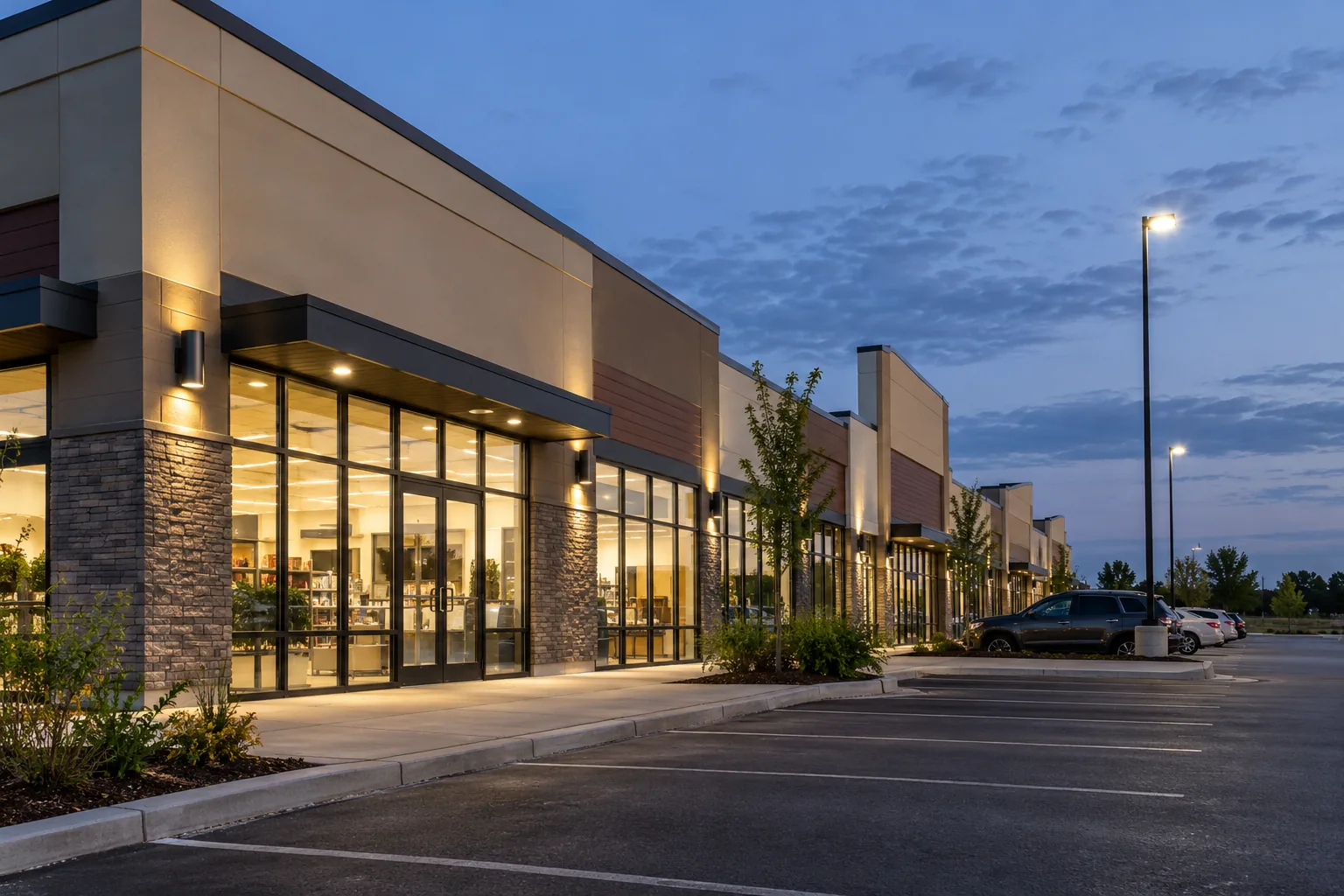
Exterior lighting also experiences changing daylight conditions throughout the year. The appropriate response depends on the chosen equipment and its interaction with photocells or other controls. Avoid assuming that a single clock setting will remain suitable through every season. A small review calendar can be useful for a property team, particularly when multiple tenants have different arrangements. Record why a change was made and when it should be reconsidered. This helps distinguish intentional seasonal operation from a fault when someone later asks why a lighting zone behaves differently.
Mississauga properties with several tenants should keep one current schedule for shared exterior zones even when individual opening hours differ. A Hurontario-corridor property may have an office closing before a customer-facing tenant, while an industrial unit may need a late collection window. Confirm the actual users of each route before changing a timer. Keep seasonal review and holiday exceptions assigned to a named property role so the agreed schedule remains usable as tenants change.
Investigate existing scheduling complaints systematically
Lights switching at the wrong time may reflect an incorrect clock, an outdated schedule, a temporary override or a problem elsewhere in the control arrangement. If only part of a supposedly shared zone behaves incorrectly, the issue may involve separate controls or fixtures. Document the actual on-and-off times over several relevant days and compare them with expected occupancy.
Provide known control models and previous settings from maintenance records where available. Customers should not open electrical enclosures or modify unknown controls in an attempt to locate the fault. A service assessment can establish the present arrangement and identify whether repair, configuration or replacement is appropriate. Where schedules have become confusing after tenant changes, a revised zone plan may be more useful than repeatedly adjusting one timer. Connect these cases with tenant improvement planning when the lighting arrangement itself no longer matches the occupied space.

Plan installation, testing and handover as one scope
Installing a timer is only part of a scheduling project. The scope should identify the required operating pattern, relevant zones, configuration and checks that show the selected behaviour occurs. Testing should consider ordinary events and meaningful exceptions, including the return from an override. Where an exterior event depends on darkness, discuss how that condition will be verified rather than relying solely on a daytime observation.
For working facilities, coordinate access and any lighting interruptions with building operations. A warehouse shift or occupied office may need a phased approach. At handover, request clear information about normal schedules, authorized adjustments and what to report if operation changes unexpectedly. The exact documents and training included should be established in the proposal. A manageable schedule is one that the facility team can understand and maintain without repeatedly rediscovering how the system was intended to work.
Prepare schedules that can evolve with the property
Business hours, tenant mixes and warehouse processes change. A useful control plan leaves a clear record of the starting assumptions so future adjustments can be made intentionally. For property managers, that may mean a common naming convention and a standard place to store each building’s approved hours, even when the control equipment differs between sites.
When requesting an assessment, include the address, current and desired hours, affected areas, cleaning arrangements and any recurring exceptions. Describe whether the objective is correcting a specific fault, extending control to additional zones or coordinating a wider lighting controls upgrade. Expected savings should be based on the operating hours that can realistically be reduced. A schedule that staff regularly bypass will not perform like the neat timetable assumed in an initial financial comparison.
Questions facility managers ask
Can the same timer serve indoor and outdoor lights?
The suitable arrangement depends on the equipment and wiring, but the operating needs often differ. Exterior zones may require daylight response, while indoor zones need occupancy and after-hours access considered separately.
Why do lights change at the wrong hour?
Clock settings, programmed events, overrides and the wider control arrangement are possible causes. Recording the actual pattern helps determine whether the issue is configuration, equipment or a separate zone.
Can holiday schedules be included?
Many scheduling approaches support exceptions, but capabilities vary. Include the required calendar pattern in the project brief and establish who will maintain it after installation.
Will staff still be able to work late?
That should be designed into the operating sequence through a suitable authorized override or other control method. The duration and return to normal scheduling should be agreed before configuration.