
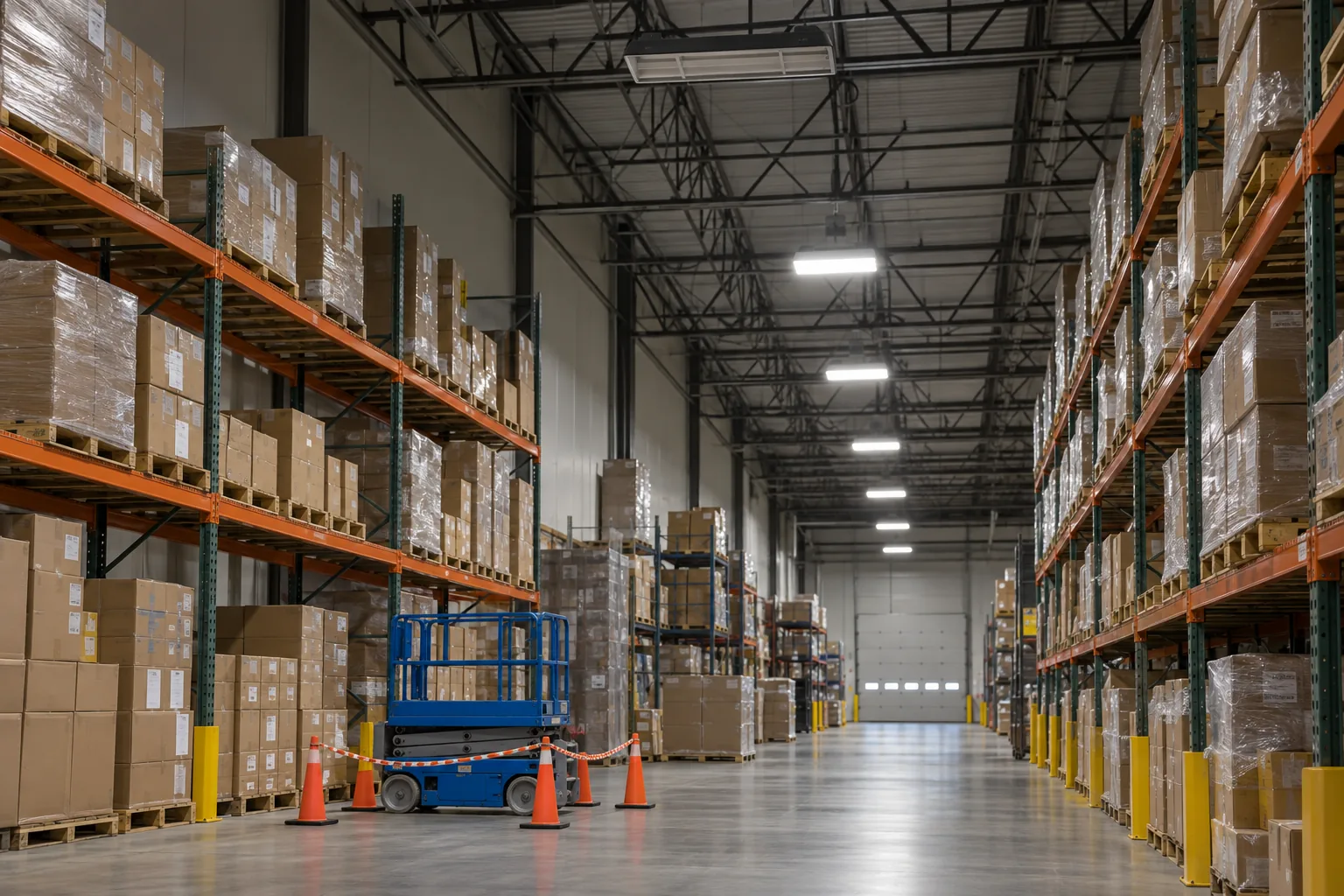
Describe the symptom before naming a failed part
A fixture that is completely out may have an equipment fault, a control issue or a problem elsewhere in the supply arrangement. Intermittent light, reduced output, colour changes and delayed operation can suggest different lines of investigation. Avoid turning a suspected cause into a parts order before the condition has been assessed.
A useful request identifies the property, exact area and number of affected fixtures. State when the problem started, whether it is constant and whether nearby fixtures behave the same way. Include any change that happened around the same time, such as altered schedules, new equipment or recent work in the area.
Photographs can show the fixture style, its location and any visible damage without requiring access to live components. Existing model information or a previous invoice may help. Staff should not open electrical equipment, improvise bypasses or attempt high-access repairs to gather information for a service request.
Respond appropriately to potentially unsafe conditions
Some lighting faults need more than a routine maintenance message. Visible damage, overheating, unusual odours, water around electrical equipment or other immediate hazards should be handled through the facility’s established safety and emergency procedures. Keep people away from an affected area where necessary and use appropriate emergency contacts for an immediate danger.
A lighting service request is not a promise of emergency dispatch. Describe the operational effect and any known concern clearly so the scope and timing can be discussed. An unavailable fixture in a storage room differs from a lighting issue affecting an active route, but urgency should be based on the actual conditions rather than the fixture count alone.
Do not repeatedly operate controls or reset protective devices to see whether a fault clears. Electrical investigation belongs with qualified personnel responsible for the work. The website provides planning guidance for requesting service; it cannot determine whether an individual installation is safe from a description or photograph.
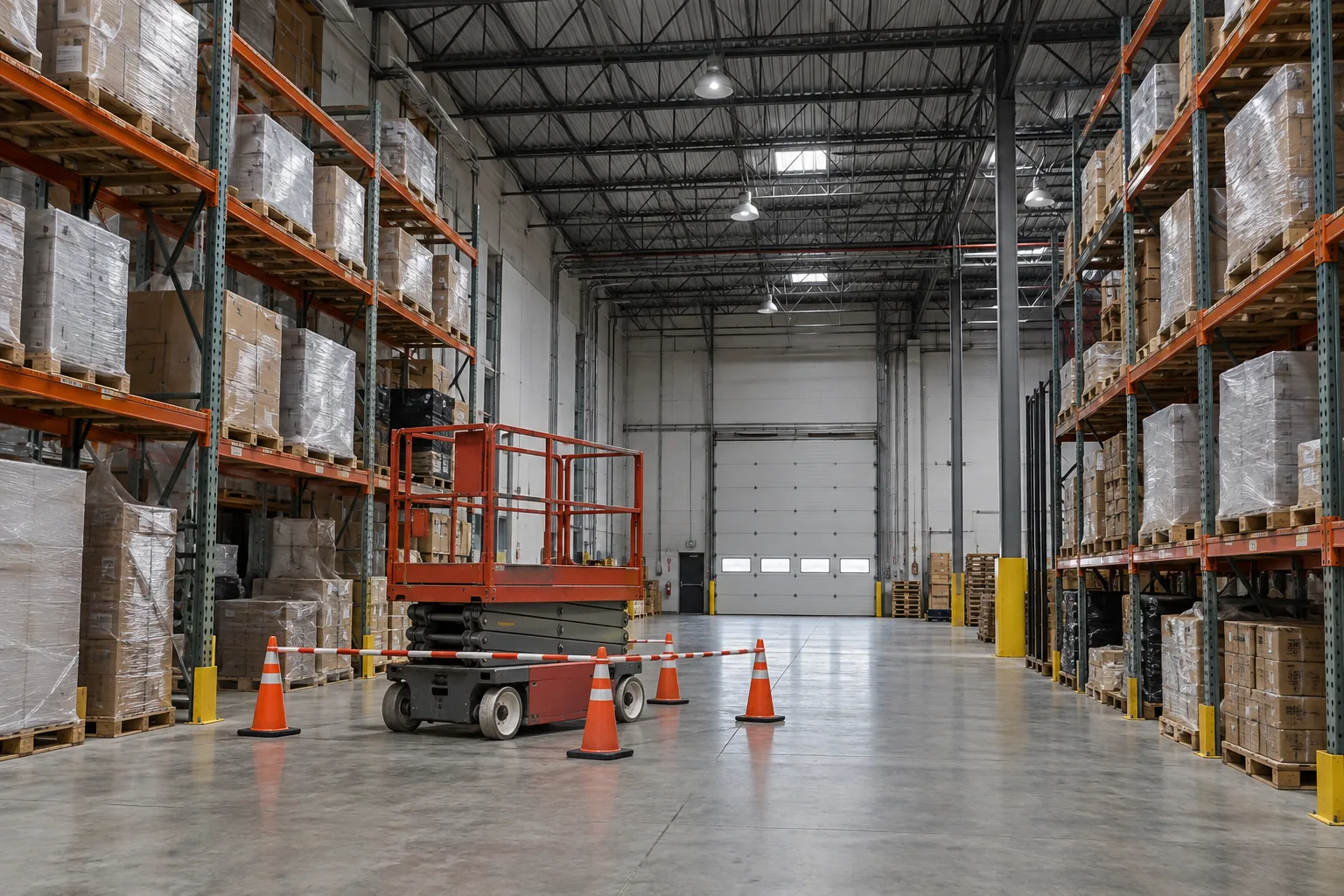
Investigate isolated outages and groups differently
The pattern of an outage is useful information. One failed fixture in a functioning row may require a different investigation from an entire aisle or exterior zone that stops operating together. Record the boundaries of the affected area and whether fixtures return at the same time.
For a group outage, identify the controls normally used and any known schedule or override arrangement. A site contact may know that a parking area follows a time clock or that a warehouse zone has local sensors. That operational information can be valuable without asking anyone to inspect circuits or open enclosures.
For an isolated failure, the fixture location, equipment type and history become especially important. Has the same position failed repeatedly, or is this the first issue? A recurring failure at one location should not automatically receive the same replacement again without considering whether the environment, compatibility or another condition needs investigation.
Understand flicker, cycling and intermittent operation
Intermittent problems are easy to underestimate because the lighting may operate normally during a short visit. Record when the issue appears: at startup, after extended operation, during dimming, after rain or when an area becomes occupied. A short description of the timing is often more useful than simply reporting that a light is unreliable.
Where safe and practical, a video can capture the symptom, but camera artefacts are not a diagnosis. Describe what occupants actually see. Note whether the effect involves one fitting, a group or equipment controlled together. Mention any recent change in lamps, drivers, dimmers or control settings.
A repair review may need to consider several components rather than assuming the LED source itself has failed. Compatibility, thermal conditions, controls and connections can be relevant. Replacing the complete fixture may sometimes be appropriate, but the recommendation should follow the investigation and account for the likelihood that the same condition could affect new equipment.
Assess drivers, ballasts and serviceable components
A failed component does not always require replacement of the whole fixture. Equally, the ability to buy a component does not automatically make repair sensible. Suitability, available documentation, fixture condition, labour, access and the expected result all affect the decision.
For LED equipment, model and driver information can matter because products with similar housings may use different electrical characteristics or control arrangements. Fluorescent and HID equipment can also vary behind a familiar appearance. Avoid selecting a replacement part solely from its dimensions or nominal lamp count.
A service recommendation should explain whether the equipment can be restored using an appropriate component, whether further condition issues are present and whether future parts availability is a concern. If replacement is proposed, identify whether adjacent equipment needs review for consistency. The goal is a practical restoration, not an automatic commitment to the most extensive scope.
Plan high-bay repairs around access
A single failed high-bay can involve significant preparation. Ceiling height, racking, aisle width, floor conditions, overhead obstructions and the lift route determine how the fixture can be reached. Stock or fixed equipment may need to be moved by the facility before work can proceed.
Provide the approximate mounting height if known and photographs that show the surrounding area, not only the light. Identify delivery access, security requirements, operating shifts and any restriction on aisle closures. Confirm who can authorize and prepare the space. These details help prevent a visit from being delayed by an access condition that could have been discussed earlier.
Where several high fixtures need attention, a documented deficiency list may allow compatible work to be considered together. Immediate operational needs can still require separate service. Our high-bay LED lighting information connects replacement choices with mounting, distribution and future maintenance access.
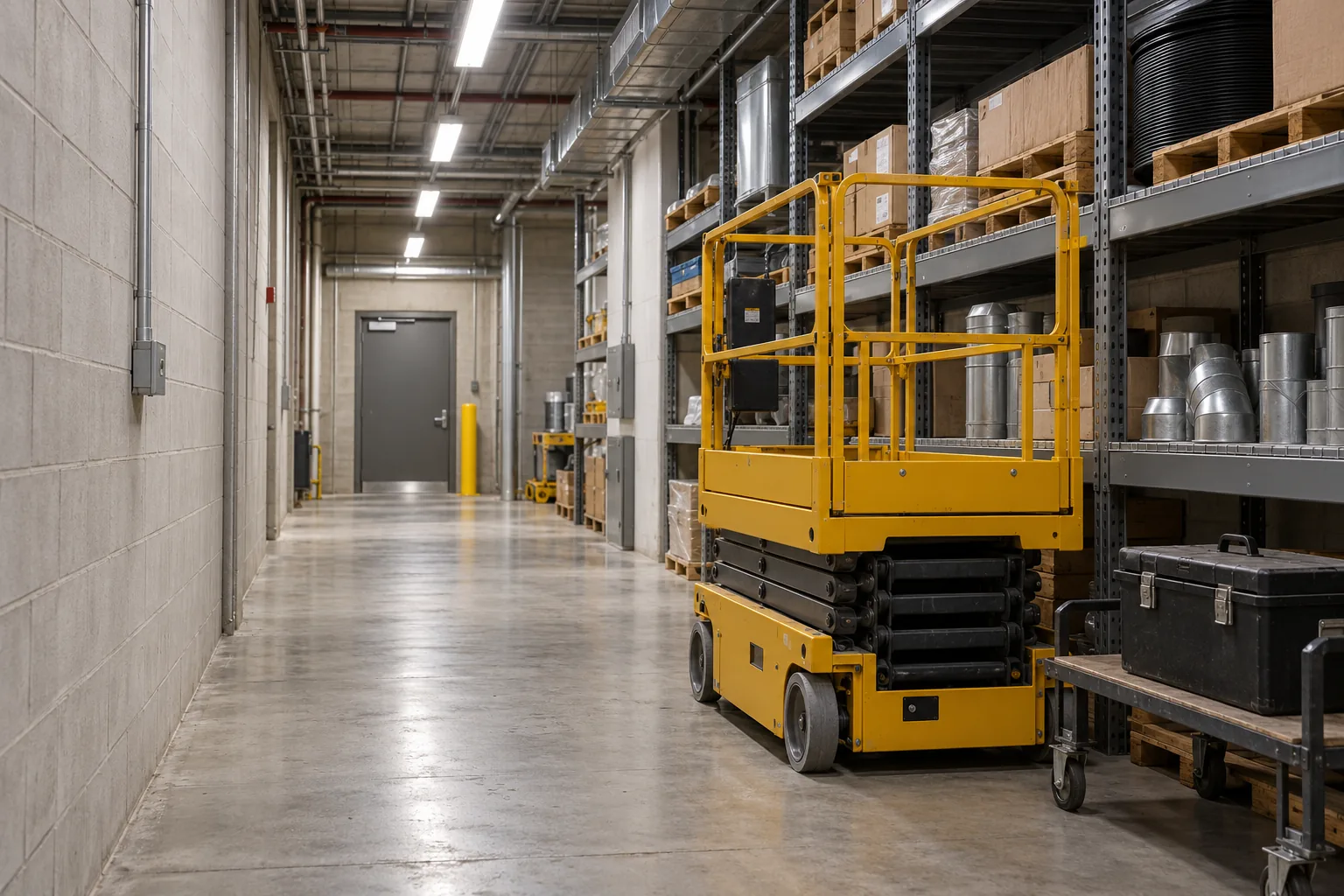
Separate exterior fixture faults from control faults
Parking lights and wall packs rely on more than the fixture itself. Photocells, timers, schedules and other control components can affect when a whole area operates. Report whether the lights stay on during daylight, fail after dusk, switch at the wrong time or behave inconsistently across the property.
Exterior conditions also affect access and scheduling. Identify pole positions, parking restrictions, delivery routes, overhead clearances and any damage visible from ground level. Do not assume a nighttime outage can be assessed fully from a daytime photograph. The timing of observations may need to be discussed with the property contact.
A repair is different from a request for brighter coverage. If the existing fixtures work but leave dark areas, a layout review may be needed. The parking lot lighting page explains the relationship between fixture condition, placement, controls and the spaces that people use after dark.
Restore controls without losing intended operation
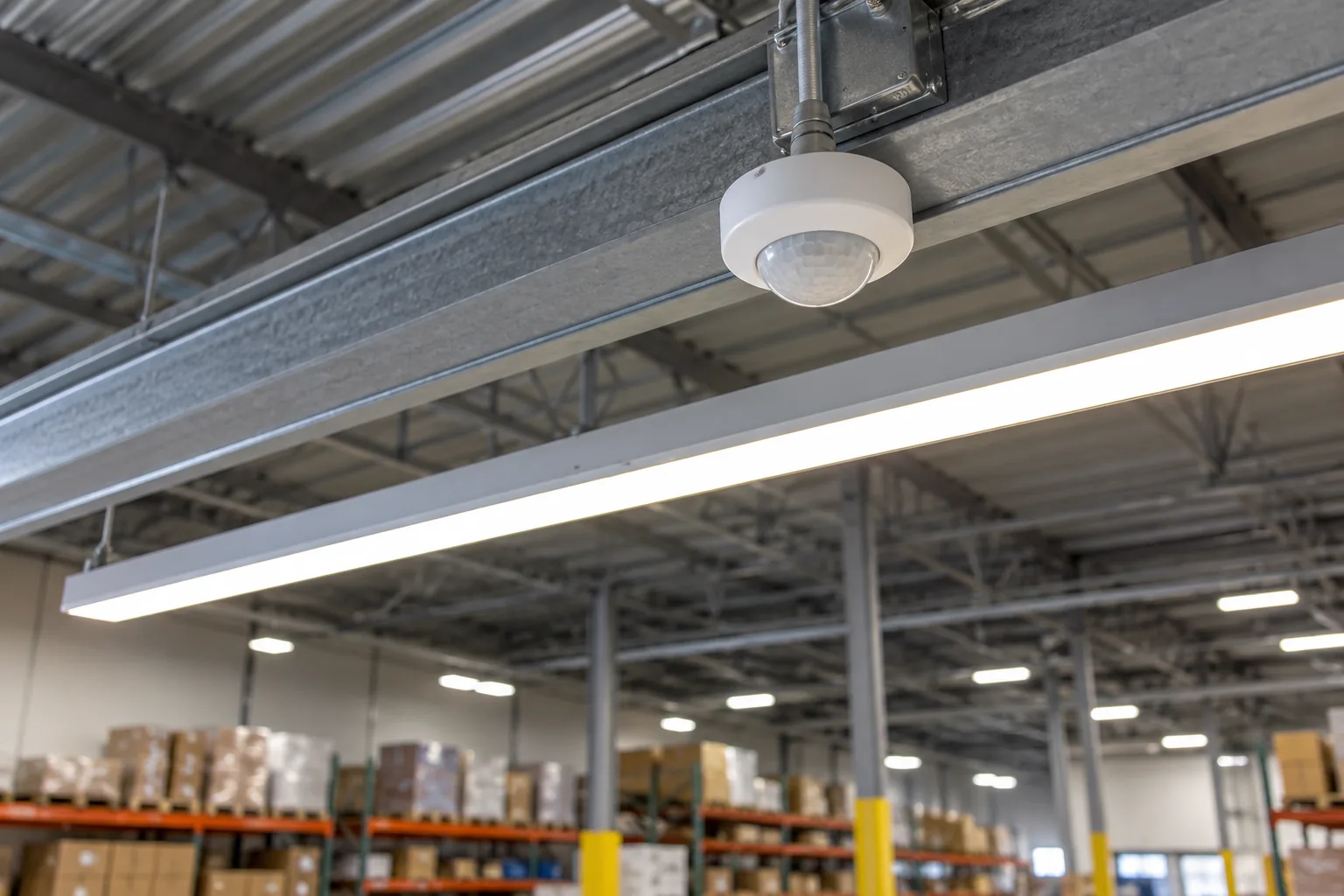
An occupancy sensor that switches too early or a schedule that does not match business hours can create a service problem even when every fixture works. Record the intended behaviour and the observed behaviour separately. Include whether the issue occurs at one sensor, one zone or across a connected system.
Changes in racking, partitions, furniture or staff movement can affect a control arrangement that previously worked. A setting change may be part of the answer, but the review should also consider whether the installed device suits the application and remains compatible with the lighting equipment.
Keep existing instructions and system access information available through the authorized site contact. Credentials should be handled securely and should not be placed in a general public enquiry. Review occupancy and vacancy sensor planning where recurring complaints suggest the control strategy needs improvement as well as repair.
Use failure history to choose repair or replacement
A useful decision considers more than the age of a fixture. Review the physical condition, suitability for the task, availability of correct parts, frequency of faults and cost of access. An accessible fitting with a straightforward component failure can present a different case from obsolete equipment above an active production line.
Repeated repairs should create a record rather than a series of disconnected invoices. Identify the equipment position, symptom, confirmed cause where established, work completed and date. This can reveal whether failures involve one product family, one control arrangement or a particular environmental condition.
Where a broader change is appropriate, commercial LED retrofit planning allows the replacement to be considered alongside performance, energy use and project phasing. The immediate repair scope and any proposed upgrade should remain clear, so a facility manager can approve the work that is needed now without committing to unrelated changes.
Coordinate service in occupied commercial properties
Repair access can involve tenants, building security, a loading appointment, a property manager and the person authorized to approve additional work. Establish the relevant contacts before the visit. A receptionist who can admit someone may not be able to approve an interruption or release a secured warehouse aisle.
Provide any purchase-order requirements, tenant notice periods and access windows that affect the work. For a Mississauga plaza, identify whether the issue belongs to a tenant unit or a common area. For an industrial property near Dixie or Gateway, explain dispatch movements and restricted areas rather than assuming the site is accessible during all business hours.
A well-prepared request reduces uncertainty, but some causes remain unknown until inspection. Agree how findings, additional work and replacement options will be communicated. An initial description should not be treated as a guarantee that every required part or access arrangement can be identified remotely.
Close the service request with a usable record
The outcome should distinguish completed work from issues that remain. Keep the relevant fixture or control details, location, date and any recommendation available to the property team. Where a temporary arrangement is used, its limits and the next action should be understood by the responsible contact.
If the repair resolves a recurring problem, note the confirmed change rather than simply marking the ticket complete. If further investigation is needed, state the conditions under which the fault should be observed. This helps avoid repeating the same incomplete request when the symptom returns.
For the next request, send the address, exact area, symptom, quantity, timing, access height and photographs. Add the operating impact and previous service information if available. A clear service record makes both immediate decisions and longer-term maintenance planning easier for a single property or a portfolio of commercial buildings.
Questions facility managers ask
Can you repair one fixture without replacing the entire area?
A defined repair may be appropriate where the equipment remains suitable and the necessary parts and access are practical. The review should also identify whether a repeated fault or broader condition affects the recommendation.
What should I photograph for a high ceiling problem?
From a safely accessible location, show the fixture, surrounding racking or equipment and the route beneath it. Include available model information from records. Do not climb, open equipment or approach exposed electrical parts to obtain a photograph.
Why do several exterior lights fail together?
A shared control or supply condition may be involved, but the pattern alone does not establish the cause. Note which lights are affected, when the problem occurs and how the area is normally controlled, then arrange an appropriate investigation.
Does a repair request include an emergency response guarantee?
No response time is promised on this page. Explain the condition and operational impact when making contact. Immediate hazards should be handled through the appropriate emergency and facility safety procedures.