
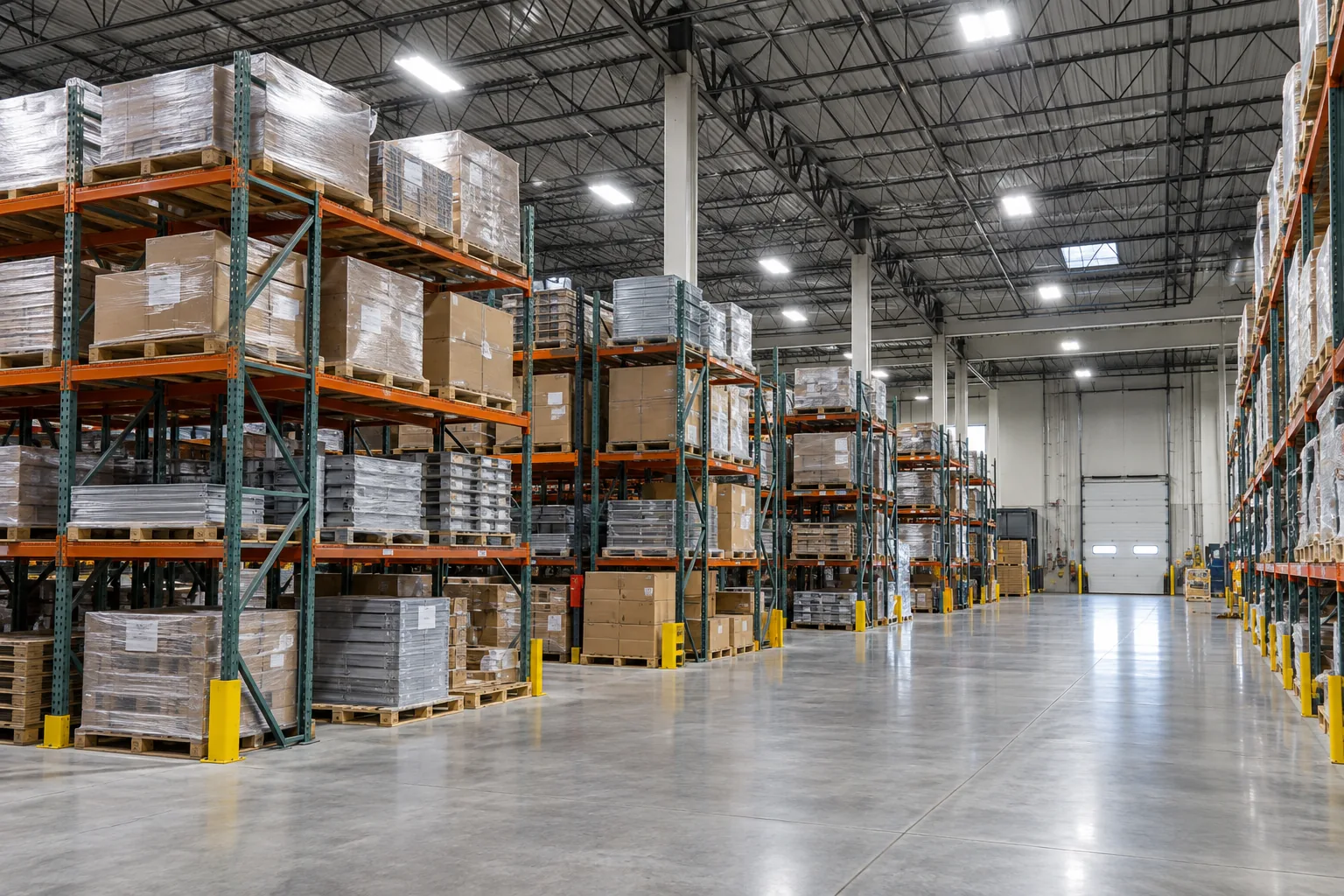
Define the industrial environment accurately
Industrial is a broad description. A light assembly area, a vehicle service bay, a fabrication floor and an equipment room can expose lighting to different conditions. Identify what happens in each area and which factors could affect equipment suitability or the ability to maintain it.
Ask about dust, moisture, cleaning methods, temperature variation, vibration and nearby processes where relevant. Where the facility has special classifications or equipment requirements, provide that information early. A generic product label is not a substitute for establishing the required suitability and electrical scope for the actual space.
Mississauga industrial properties around Dixie, Gateway and Northeast Mississauga include varied businesses. Local service context should never become an assumption that every unit has the same conditions. The assessment needs to understand the individual operation, the areas included and any restriction that changes the equipment or work plan.
Separate general lighting from task requirements
General lighting establishes the surrounding visual environment, but some work requires more focused attention. Operators may need to read instruments, inspect material, handle small components or see into equipment. Overhead fixtures can leave those tasks in shadow even when the room appears bright overall.
Identify the task surface, viewing direction and normal working posture. Include the equipment and materials present during work rather than evaluating an empty floor. A supplementary source may help in one position while causing glare or reflections in another. The arrangement should be considered from the user’s viewpoint.
The industrial task lighting service addresses localized needs. It should be coordinated with the general system so the immediate work area does not become an isolated bright spot surrounded by difficult transitions. A coherent plan recognizes both the task and the routes people use around it.
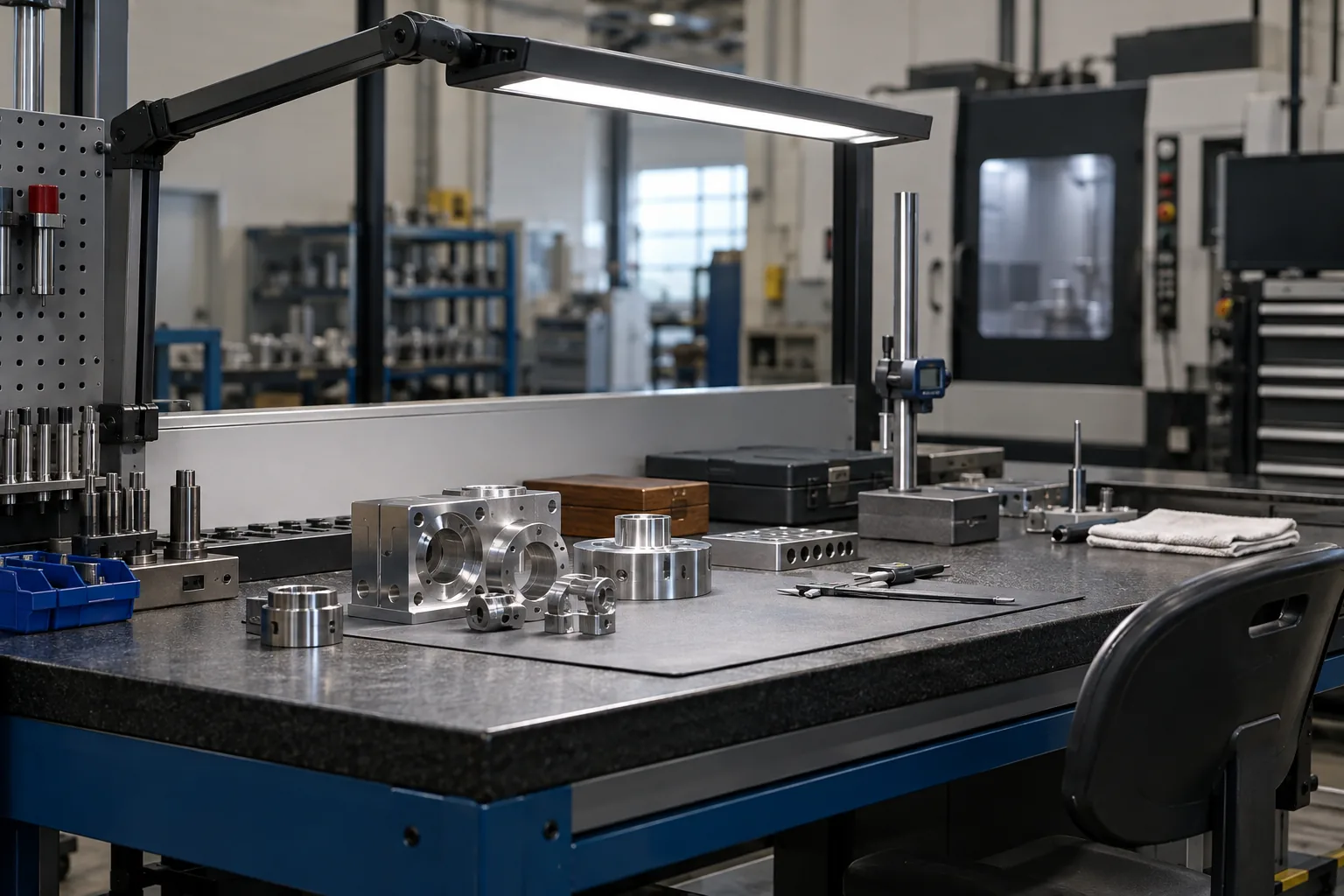
Review obstructions and changing equipment layouts
Industrial equipment can block light in ways that are not obvious from a ceiling plan. Machines, overhead services, storage, guards and temporary workpieces can create shadows. Record the positions of these obstructions and whether they remain fixed or move as production changes.
A fixture placed for an earlier arrangement may no longer serve the current working position. Before increasing output, compare the light path with the actual equipment layout. Relocation, a different distribution or supplementary lighting may be more relevant than replacing every fixture with a more powerful version.
Where process equipment will change, coordinate lighting decisions with that project. Mounting positions, access routes and control zones may all be affected. The installation should not be finalized while the location of the work it serves remains unresolved. Keep lighting drawings and equipment layouts together so future changes can be reviewed with reliable context.
Choose equipment for both performance and serviceability
The proposed fixture should be assessed for output, distribution, glare, colour consistency, mounting and environmental suitability. Also consider how it can be maintained in its installed position. Equipment above a fixed process line or in a restricted room may require more planning than an accessible fixture over an open floor.
Record the components and documentation available for the chosen product. A compact unit with limited service access may present a different long-term maintenance approach from a fitting with appropriate replaceable components. The choice should be evaluated as part of the complete installation, not just a purchase-price comparison.
For higher spaces, high-bay LED lighting connects fixture selection with mounting height and access. Where a process presents special demands, those requirements must be confirmed separately. Avoid relying on broad statements about durability without checking the actual equipment rating and intended operating conditions.
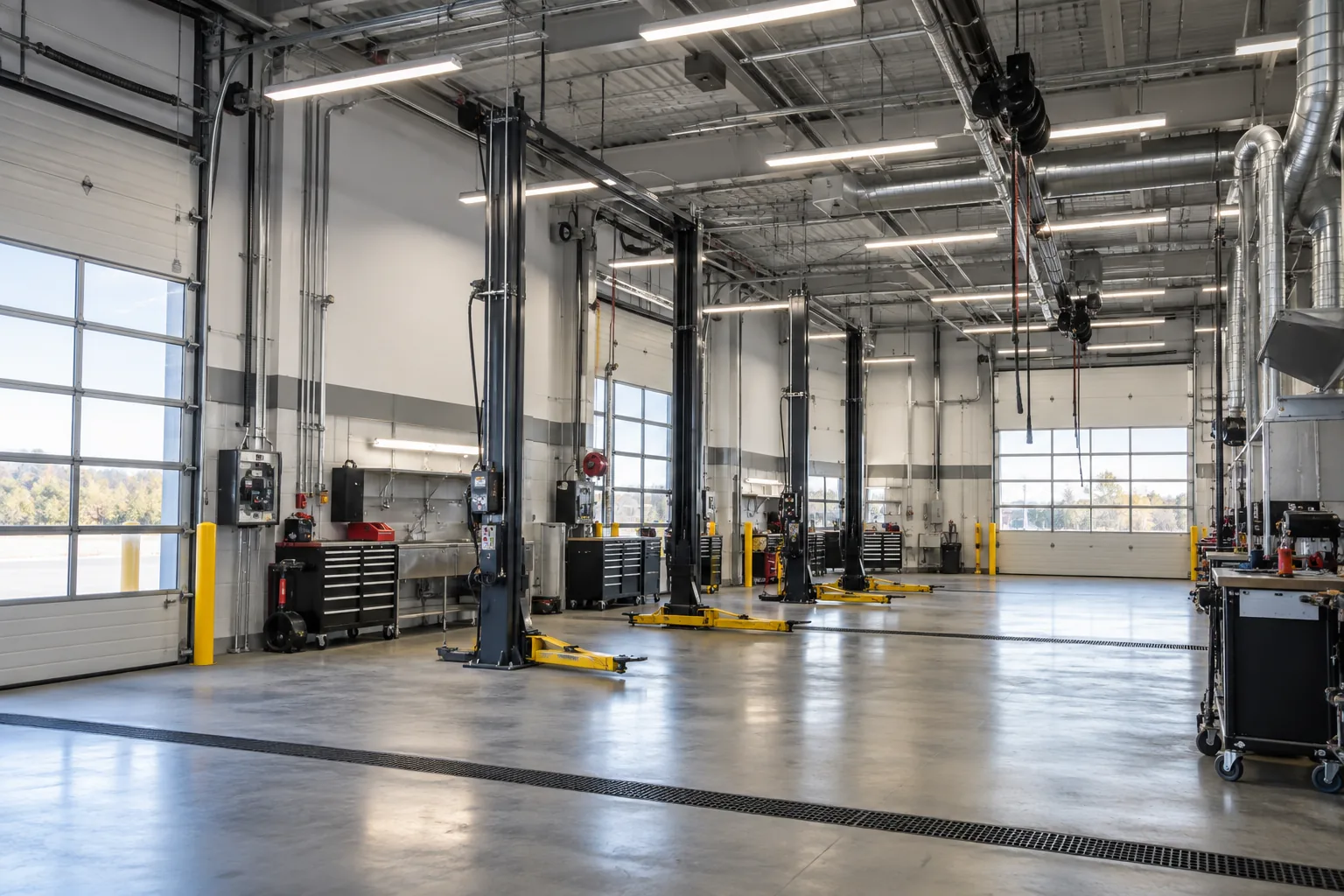
Address visual comfort near machinery and materials
Workers may look toward reflective metal, glossy finishes, displays or moving equipment. A lighting source that seems acceptable from an aisle can produce reflections at the operating position. Ask where visual complaints occur and whether the problem relates to the source, the surface or the direction of view.
Colour judgment may also matter in some tasks, but requirements differ. Explain what the worker needs to distinguish rather than selecting a colour temperature because it looks brighter in a photograph. Consistency between adjacent sources can be important where equipment has been replaced over time.
A review should consider reported flicker or unusual visual effects without treating a video as a complete diagnosis. If a concern involves moving machinery or a sensitive process, identify the need for appropriate specialist input. The lighting scope should identify the visual tasks it supports and the practical criteria the facility will use to evaluate the result.
Plan controls around operating responsibility
An industrial area may contain continuously operating equipment, occasional maintenance access and spaces used only during certain shifts. Controls should reflect those patterns. Identify who can change settings and which lighting must remain available for the activities carried out in each zone.
Sensors, schedules and dimming can be useful where they fit the application, but the intended response needs careful definition. Consider stationary work, equipment obstructions and unusual maintenance periods. An automatic change should not surprise users or conflict with the facility’s established procedures.
Keep control decisions connected to the equipment selection and available wiring. The plan should explain normal operation, authorized override and how settings are restored. Where several people share responsibility, record the final arrangement so an informal adjustment by one shift does not create an unexplained problem for the next.
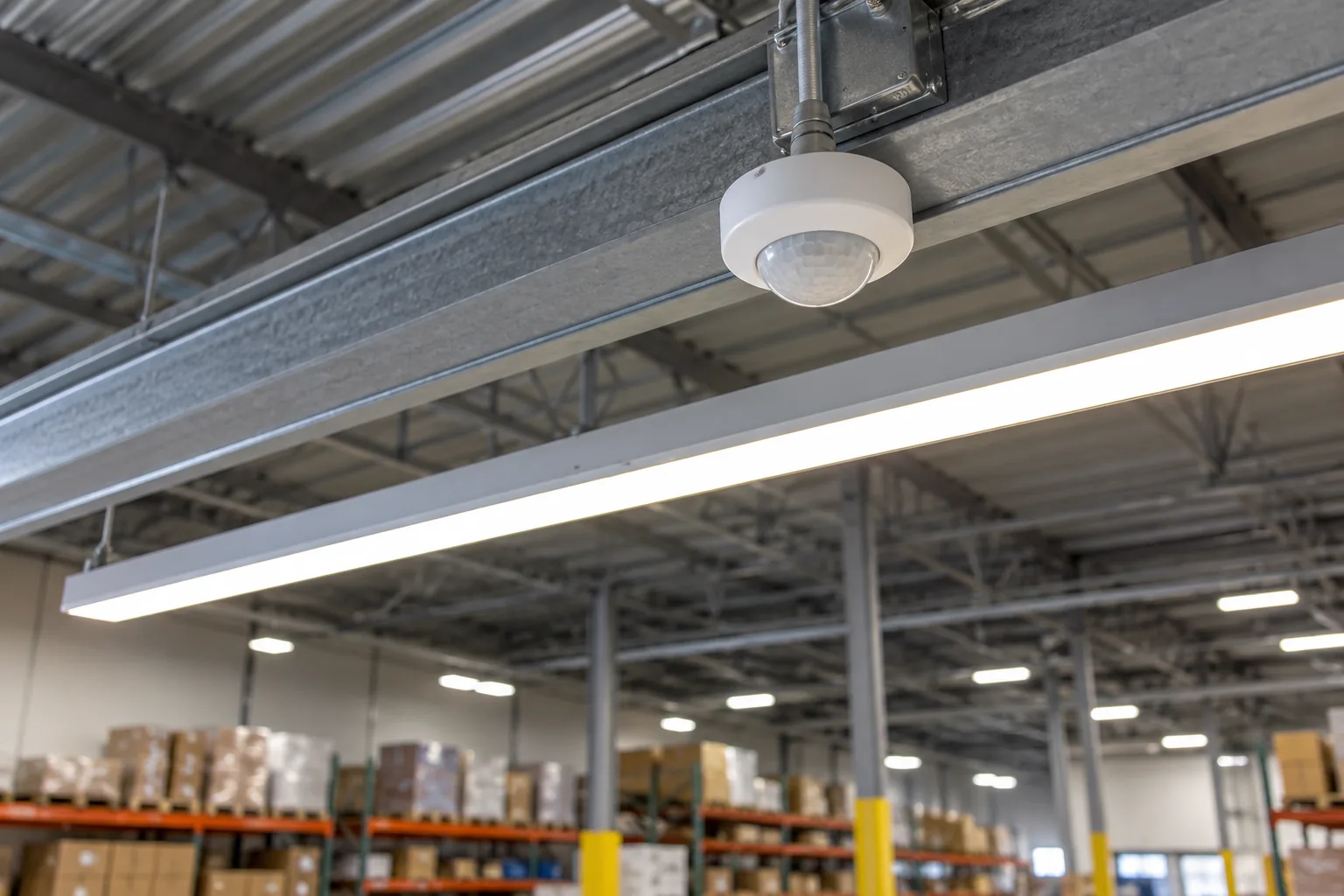
Use repairs and maintenance records to target improvements
Industrial lighting faults can be difficult to access and disruptive to investigate during active work. A consistent record helps identify the position, equipment, symptom and timing. Note whether failures cluster near a particular process or occur after a known operating change.
The commercial lighting repair page explains how to prepare an actionable service request. Immediate repair and longer-term replacement should remain separate decisions. A suitable fixture with an identifiable fault may be worth restoring, while repeated failures or unsuitable equipment may justify a different scope.
For routine planning, commercial lighting maintenance can help organize access and deficiencies. Grouping compatible high-access work may be useful, but operational significance should determine priorities. Do not let a desire to combine visits postpone a condition that needs earlier attention.
Coordinate installation with the industrial work plan
Installation may involve production pauses, restricted areas, escorts, equipment protection and work-zone control. Confirm the people authorized to release space and approve interruptions. The lighting contractor’s access needs must be coordinated with the facility’s procedures and the activities of other trades.
Identify suitable delivery routes and the space needed for access equipment. Include setup, checks and restoration within the available window. A shutdown that appears long enough for fixture replacement alone may not allow for the full sequence. Where work is phased, define how each area will operate between stages.
Provide the facility address, current concerns, process information relevant to equipment selection, layout, operating hours and access restrictions when requesting an assessment. State any formal documentation or design requirement at the outset. A defined scope can then reflect the actual industrial environment instead of relying on a standard fixture package.
Questions facility managers ask
Is industrial lighting the same as warehouse lighting?
The services overlap, but an industrial process can introduce different environmental, visual and access requirements. The equipment should be selected for the actual area rather than assume a general warehouse product suits every industrial task.
Can lighting work be coordinated with a shutdown?
That can be considered once the complete work sequence, access, electrical requirements and other activities are understood. The available window should include preparation and restoration, with responsibilities agreed before the shutdown begins.
What if the space has special equipment requirements?
Provide the relevant facility information during the initial discussion. Special classifications, processes or environmental conditions require a verified scope and appropriate equipment. They should not be inferred from the word industrial alone.