Begin with the facility and the problem
The most helpful enquiry explains what happens in the space and what needs attention. Include the property address, the facility type, affected areas and operating hours. Describe symptoms such as flickering or dark aisles without trying to diagnose electrical components. For a planned project, explain the change you want to evaluate and any future layout changes.
Photographs taken safely from accessible areas and available fixture information can help. Do not open equipment, use ladders or enter restricted areas just to collect details. A site assessment request can begin with incomplete information as long as the known conditions and unknowns are clear.
Keep service and upgrade decisions distinct
An isolated fault does not automatically justify replacing a whole installation. Equally, repeated service at difficult-to-access fixtures may make a broader review useful. The practical comparison includes equipment condition, compatibility, access, operating needs and the intended future use of the space.
The repair information focuses on existing problems, while the LED retrofit information considers planned changes to the system. Both can form part of one conversation, but the immediate objective and any optional improvements should remain easy to distinguish when management reviews the scope.
Confirm the details that matter to your project
General answers cannot establish every requirement for a particular building. Access, property authorization, specialized conditions and the equipment already installed may change the appropriate approach. Where a specific deliverable or working arrangement matters, identify it before a visit or proposal is treated as agreed.
Incentive information also needs current verification against the official program and the proposed work. The Ontario incentives page provides a starting point. Do not treat a possible incentive, estimated saving or preferred work date as confirmed simply because it is discussed in general terms on the website.
Questions facility managers ask
What commercial lighting services are available?
The service information covers installation, LED retrofits, upgrades, repair, maintenance and assessment planning. It also addresses warehouse and industrial spaces, offices, retail properties, exterior and parking lighting, controls and common areas. Describe the facility and objective so the appropriate work can be discussed. The exact scope and any specialized requirements need confirmation for the property.
Do you work on warehouse lighting?
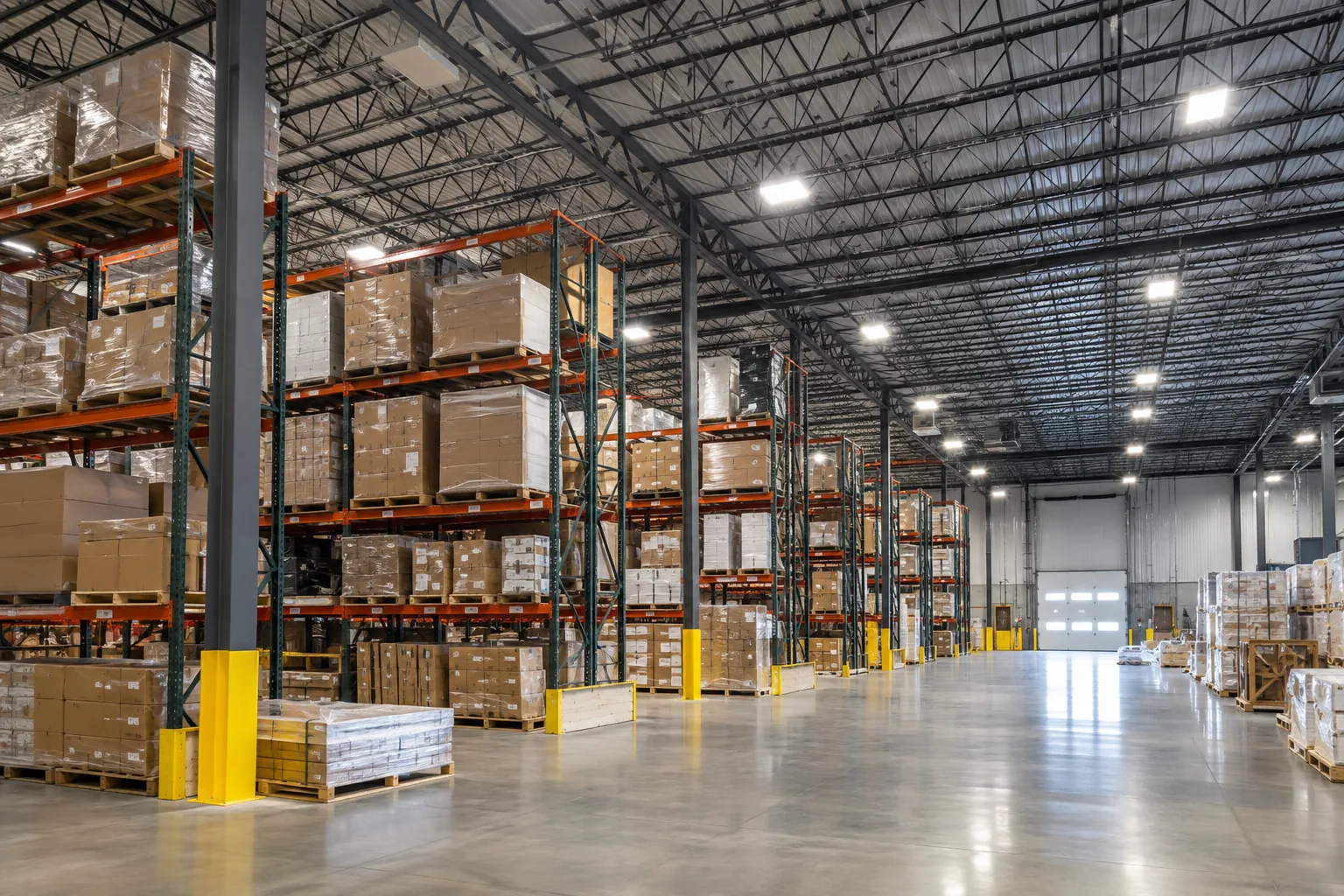
Warehouse lighting is a principal area of focus, including high bays, aisles, distribution areas and loading docks. Planning considers rack geometry, working heights, movement, operating hours and access. A warehouse enquiry should describe the layout and the problem, such as failed fixtures or poor rack visibility, rather than beginning only with a preferred replacement product.
Can fluorescent lighting be converted to LED?
An LED upgrade may be possible, but the suitable approach depends on the existing fixture, wiring, controls and condition. Complete fixture replacement and other appropriate retrofit options can have different implications for compatibility and maintenance. Record the existing equipment and objectives first. Do not assume that every LED lamp is suitable for every fluorescent installation.
Can work be completed after hours?
After-hours work can be discussed for the specific project. Feasibility depends on access, property rules, staffing, the scope and available working windows. Include preparation, cleaning or security activity that continues beyond public opening hours. A preferred schedule is a request until the relevant arrangements and timing are agreed.
Can a warehouse upgrade be phased?
Phasing may be practical by aisle, department, storage zone or other defined area. It depends on traffic, stock movement, access equipment and control arrangements. Identify areas that can be released and any periods that must remain uninterrupted. The scope should explain the sequence, temporary arrangements and coordination responsibilities before work is scheduled.
Do you repair high-bay lighting?
High-bay repair is part of the commercial lighting service discussion. Describe the fixture location, symptom, approximate mounting height and the conditions below it. Access is a significant part of the task, particularly above racking or machinery. The appropriate repair or replacement approach depends on the equipment, condition and findings from a suitable investigation.
How is the correct replacement fixture selected?
Selection should consider the task, mounting height, distribution, existing layout, environment, controls and access for future maintenance. Physical fit and compatible electrical arrangements also matter. Matching old wattage or choosing the highest output is not enough. A useful assessment defines the problem and application before comparing suitable equipment options.
Are lighting incentives available?
Ontario programs may provide a relevant incentive path for eligible equipment or projects. Availability and requirements can change, and different programs use different processes. Check the current official information for the proposed work, including any timing or approval conditions. An enquiry through this website does not apply for a program or guarantee funding.
Do all LED upgrades qualify?
No assumption of eligibility should be made simply because the replacement uses LED technology. Programs may restrict products, applications, participants, project timing or supporting documentation. The applicable process needs to be checked before equipment is ordered or work begins where timing conditions apply. Keep an unconfirmed incentive separate from approved project funding.
Can parking-lot lighting be repaired?
A parking-light outage may be suitable for repair, but the cause and equipment condition need review. Describe whether one fixture or a group is affected and include pole locations, controls and previous faults if known. Existing poles, mounting and access conditions also matter. Broader replacement can be considered separately where condition or recurring service makes it relevant.
Can controls be added to existing systems?
Potentially, but compatibility and the intended operating behaviour must be assessed. Fixtures, drivers, wiring and control methods need to work together. Sensor coverage and settings should reflect actual occupancy, while exterior schedules should match property use. Adding a control is not simply a matter of choosing a device without reviewing the surrounding installation.
Why do commercial LEDs flicker?
Flickering can have several causes, including a component fault, compatibility issue or another condition in the system. The pattern helps: note whether one fixture or a group is affected, which settings are active and whether the issue is intermittent. Arrange appropriate investigation rather than asking staff to open equipment or replace parts based on a guess.
Repair or replace failed fixtures?
Consider the cause of failure, equipment condition, suitable parts availability, access and the future plan for the area. An isolated repair may be practical, while repeated failures or a planned renovation may justify reviewing replacement. Keep the immediate service need and any wider upgrade option separate so their purposes and costs can be evaluated clearly.
Can office lighting be upgraded while occupied?
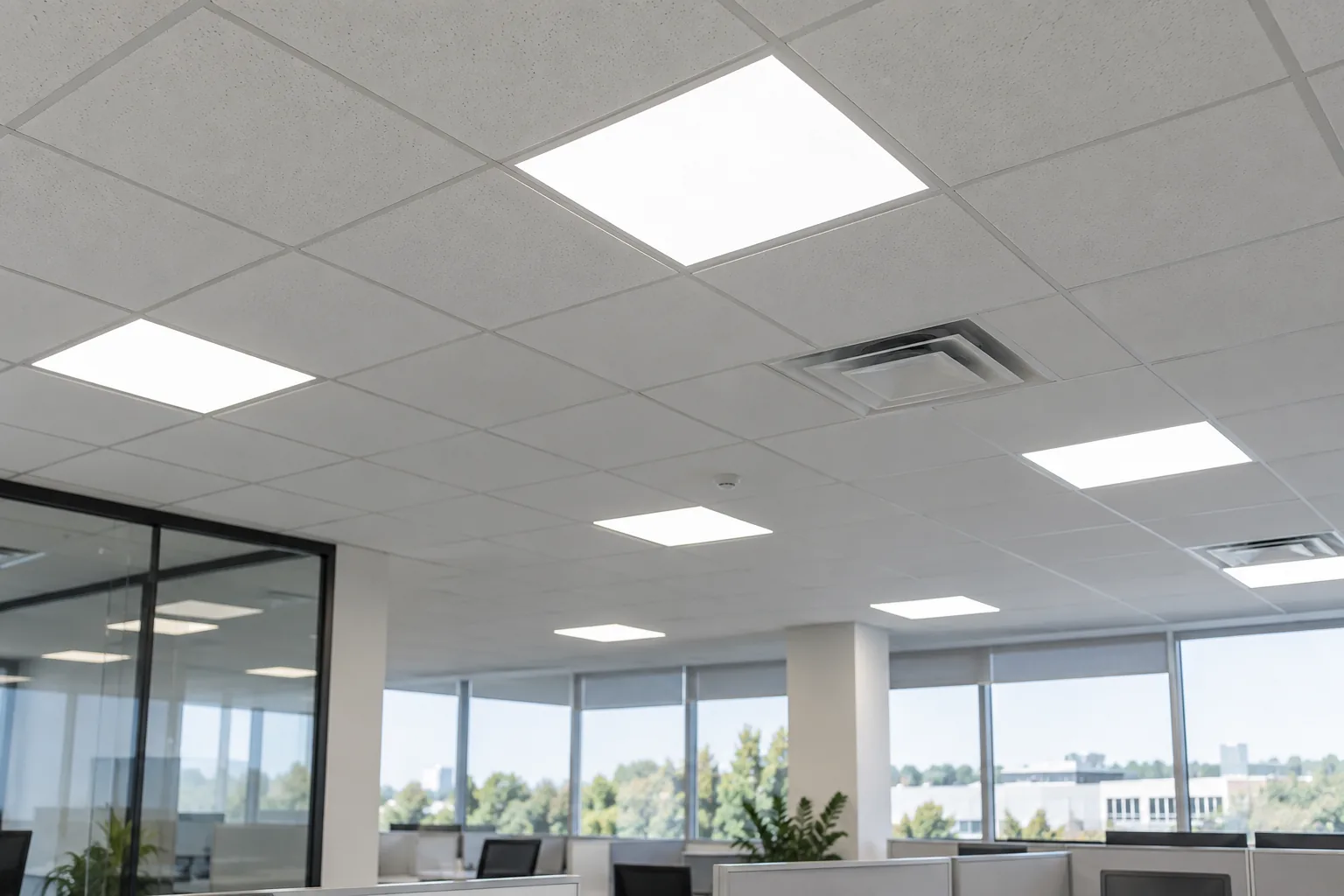
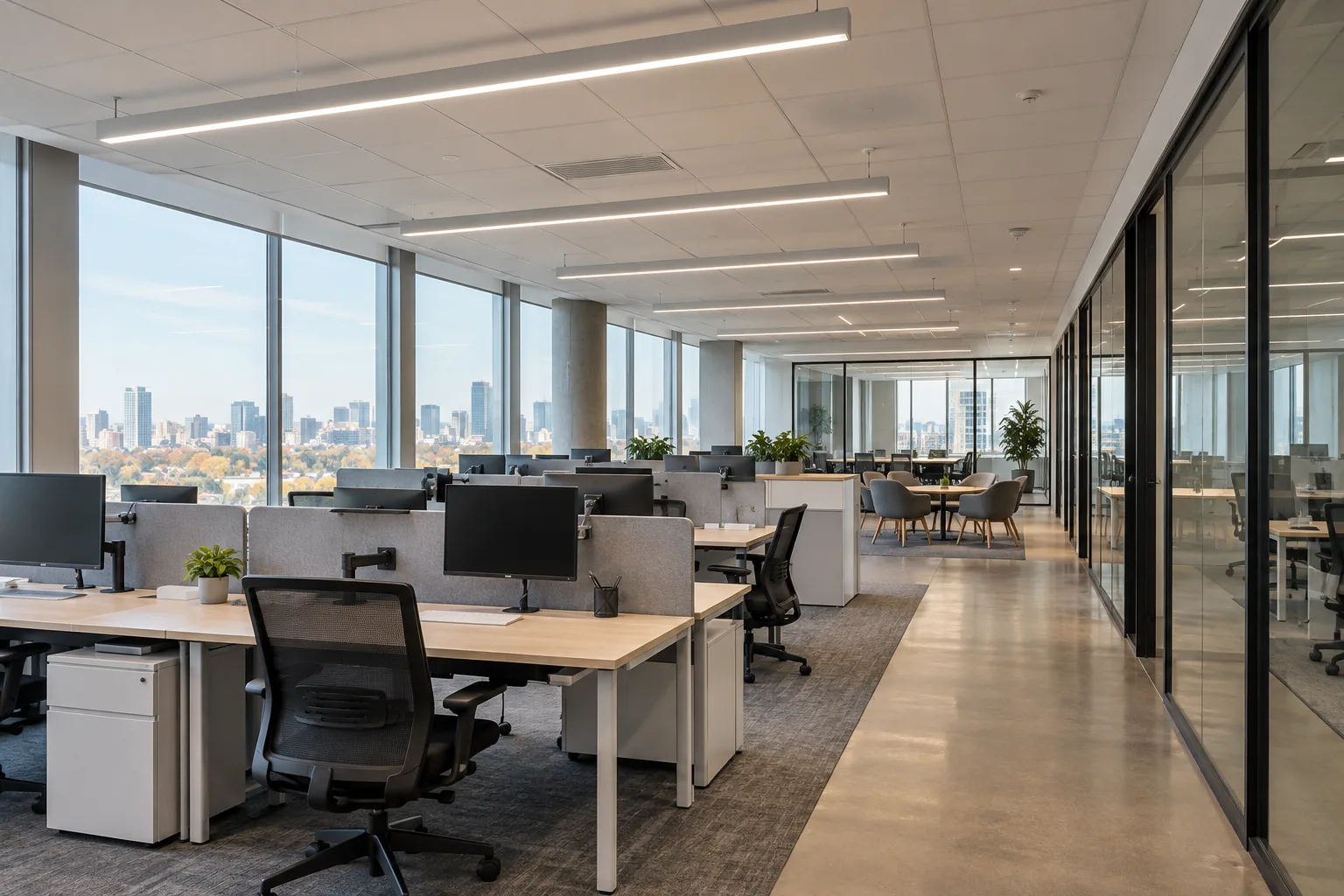
It may be possible through defined working zones or phases, but desks, people, technology and customer activity need coordination. Identify what can move and which areas can close temporarily. Building restrictions and working hours also matter. Agree preparation, access and expected disruption rather than assuming every occupied area can remain in normal use throughout installation.
How are high fixtures accessed?
The appropriate access arrangement depends on height, floor conditions, clearances and the activity beneath the fixtures. Racking, machinery, parked vehicles and restricted routes can limit options. Provide those details early. Access equipment and work-area arrangements should be determined for the site; the presence of high fixtures does not establish one standard method for every building.
Can property managers request multiple locations?
Yes. Provide the addresses, facility types, main issues and access contacts, and identify any priority property. A coordinated request can help establish a practical review sequence. Each building still needs its own conditions considered. A solution suitable for one site should not automatically be extended to the whole portfolio without checking the differences.
What should I provide before an assessment?
Start with the address, facility type, affected area, problem or objective and operating hours. Add photographs, approximate heights, quantities and existing fixture information where available. Mention access restrictions, planned layout changes, timing and the approval contact. It is acceptable to identify unknown details instead of attempting unsafe access or electrical diagnosis to obtain them.
Does exterior lighting need to consider neighbouring properties?
Yes. Fixture direction, glare, light reaching adjoining property and operating controls are relevant planning considerations. The specific site and current Mississauga requirements should be reviewed where applicable. A brighter fixture is not automatically a better solution. Consider how the light is distributed across the intended area and what happens outside that area.
What happens during a lighting assessment?
The scope should be agreed for the request. Topics may include existing conditions, reported problems, fixture access, controls, repair or upgrade options and operational constraints. A visit should not automatically be assumed to include a full design, energy study or compliance certification. If a particular report or deliverable is needed, identify it explicitly before booking.
How long does commercial lighting work take?
Duration depends on the quantity and type of work, access, equipment availability, operating restrictions, controls and any conditions found during investigation. A small accessible repair differs from a phased warehouse retrofit. Provide deadlines and available work windows, then confirm the proposed schedule for the actual scope instead of relying on a general website estimate.