
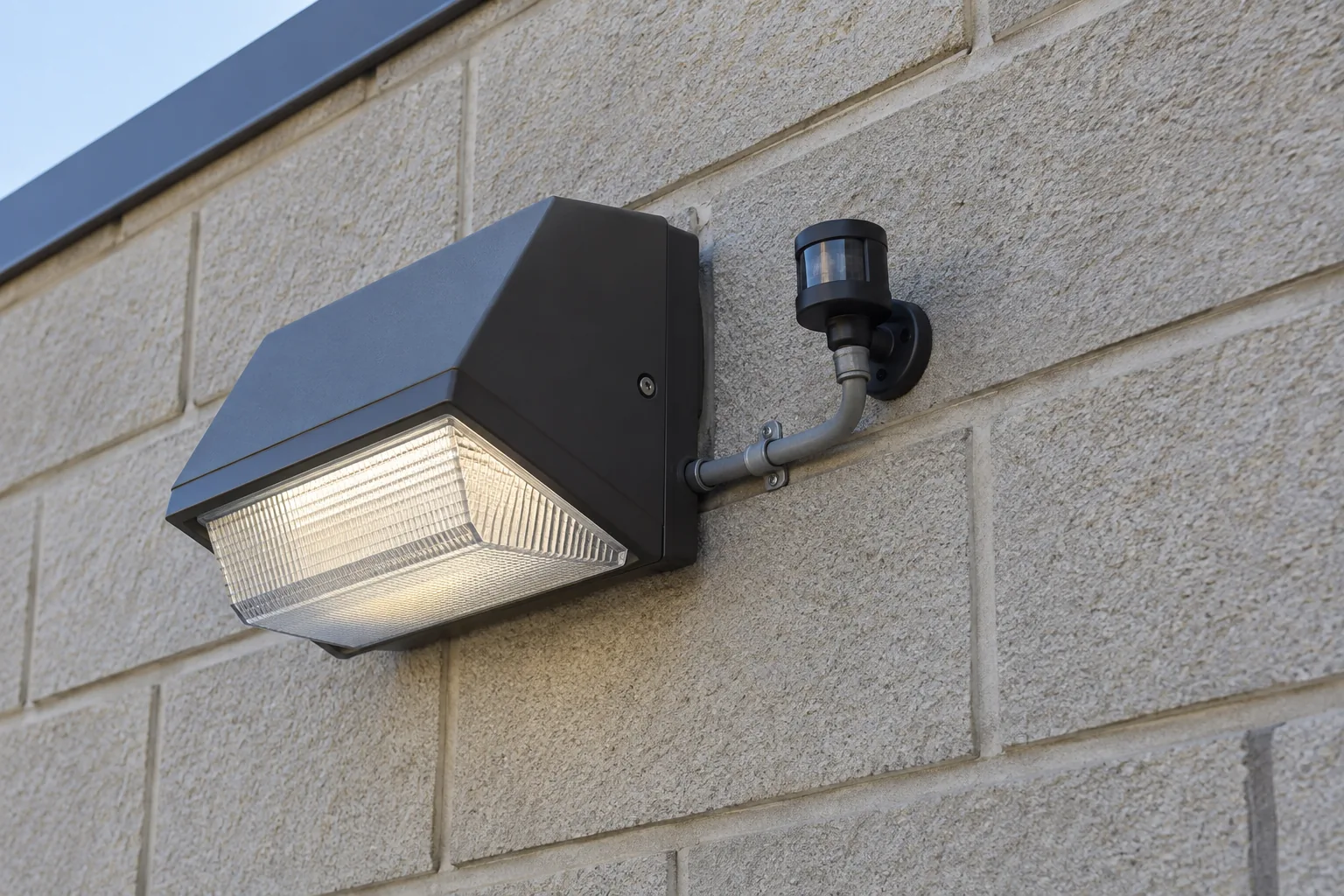
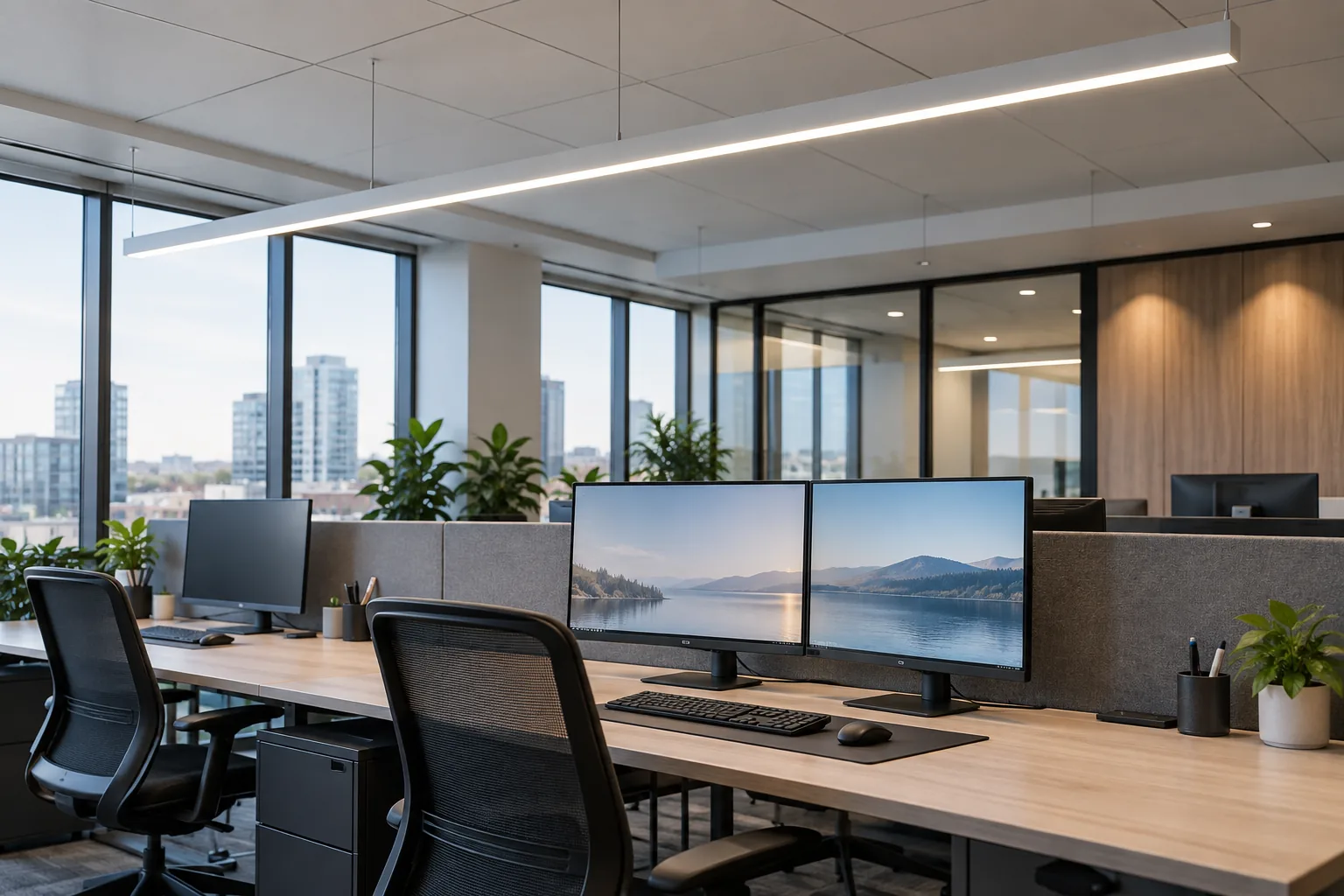
Start with what people actually observe
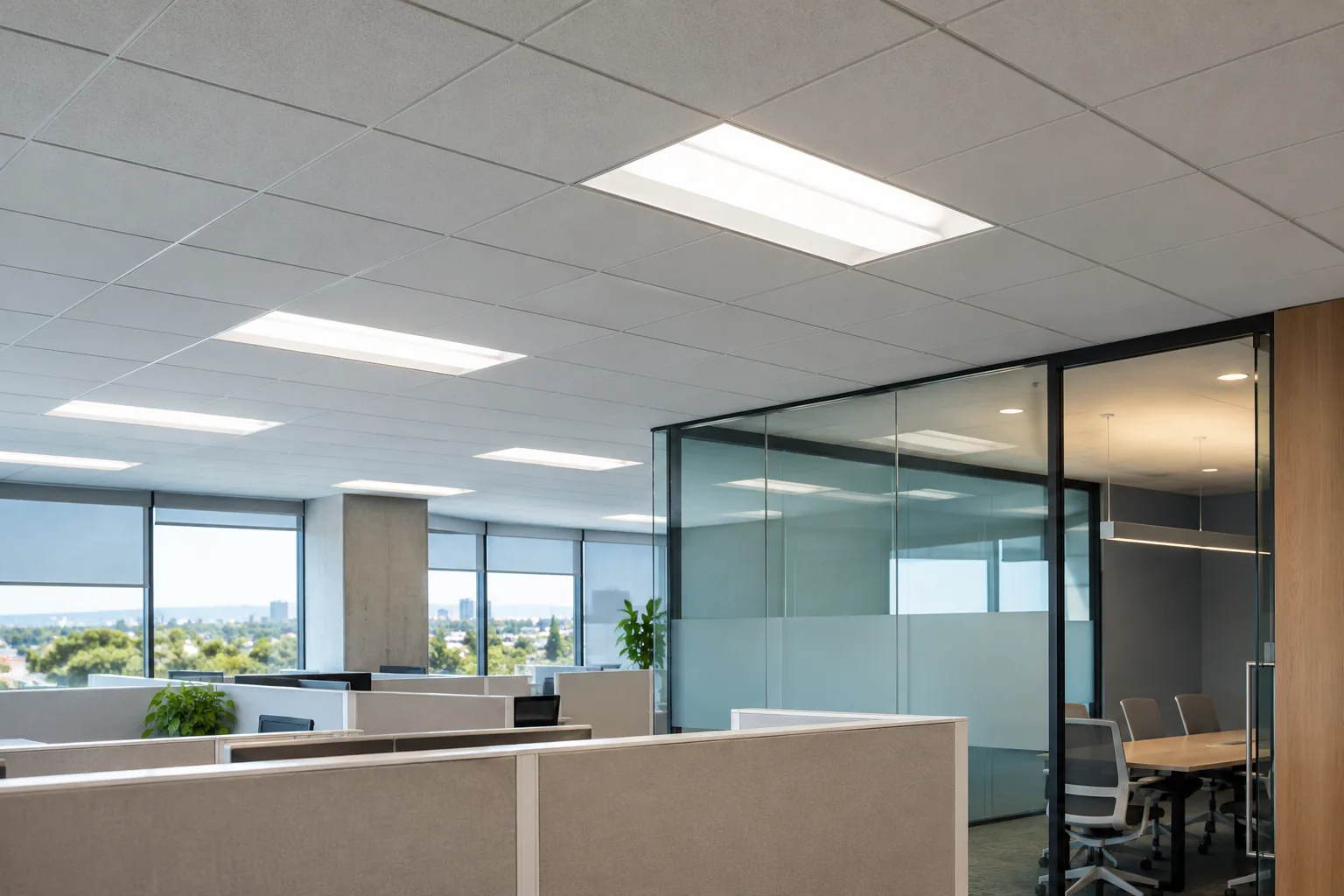
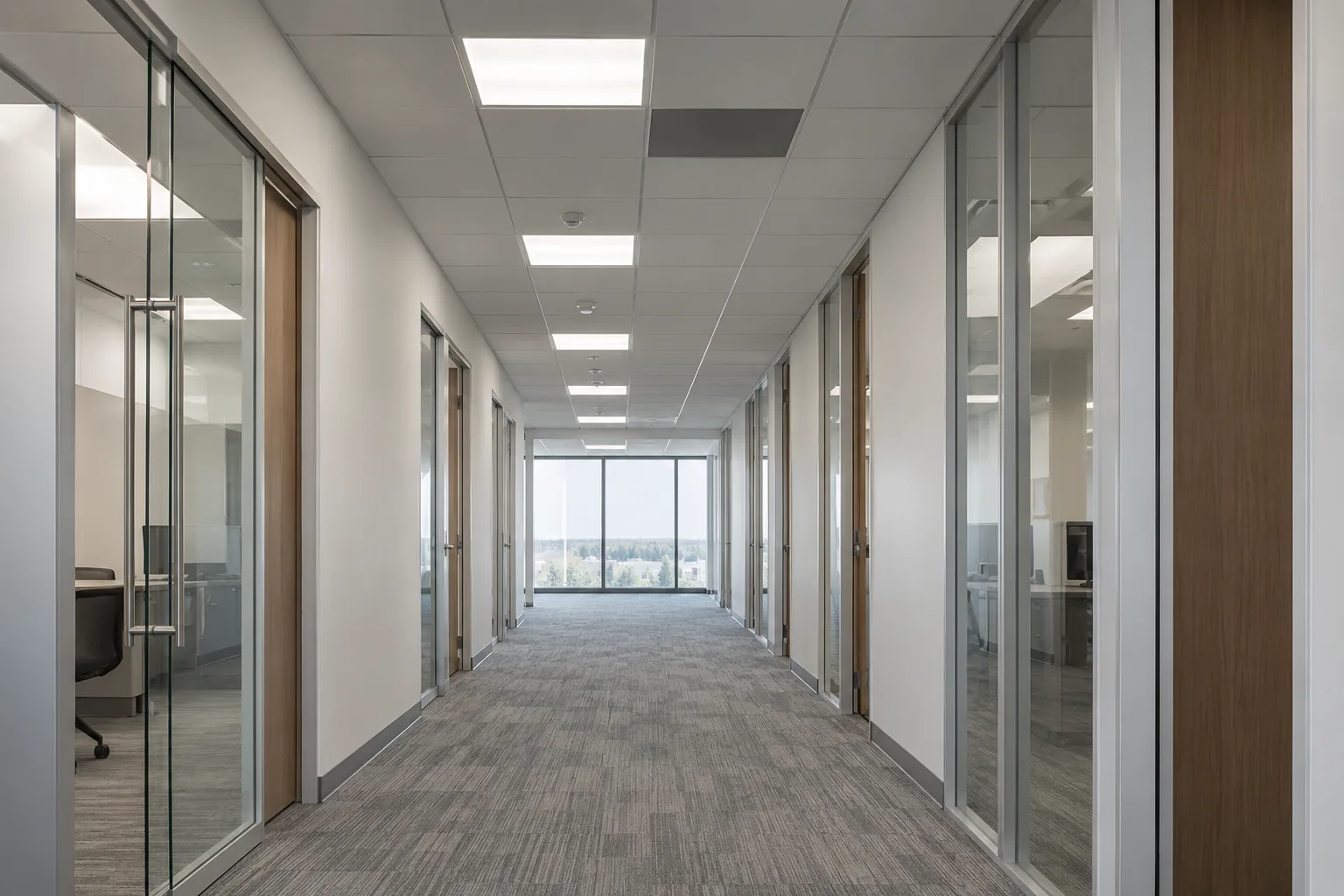
A complaint such as too dark or lights not working is a useful beginning, but the details determine the next questions. Identify the affected location, the task being performed and whether the issue changes with time, daylight or control settings. One failed fixture and a complete zone switching together provide different starting clues. In a warehouse, a dark rack face is different from a dark open floor. In an office, reflections on screens are different from inadequate light at a desk.
The guides help turn those observations into a clear service brief. They do not ask you to diagnose electrical components or perform repairs. Use safe, accessible photographs and existing records; leave equipment access, work at height and electrical investigation to the appropriate professionals. A well-described symptom helps the assessment focus on the actual facility conditions rather than selecting parts from a guess about what has failed.
Separate a component fault from a layout or control concern
Different problems can appear similar to the person using the space. A fixture may be dark because it has failed, because a control is not responding appropriately or because its scheduled operation does not match occupancy. A warehouse aisle may remain difficult to use even with every fixture operating because racking blocks useful light. Lowering office output may reduce one bright area while making another desk too dim.
Look for patterns without treating them as proof. Record which fittings behave together, when the symptom occurs and whether recent repairs or layout changes preceded it. These details help distinguish lighting repair from a broader review of controls, distribution or equipment selection. Where several issues overlap, the assessment can define connected work. The right outcome may be a focused repair, a revised operating sequence or a planned upgrade, depending on what the facility actually needs.

Build a useful brief and respond appropriately to hazards
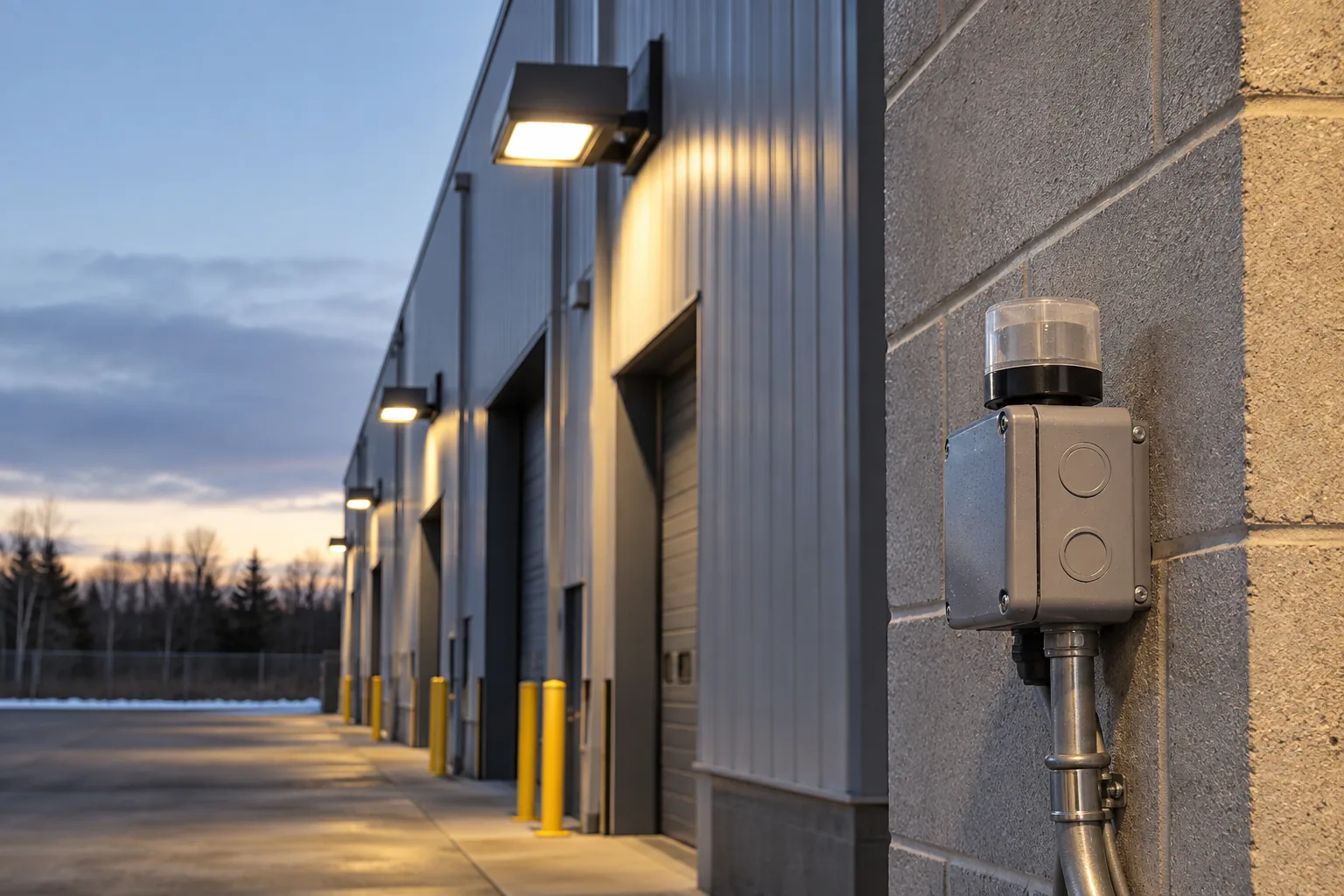
For a Mississauga service request, provide the address, facility type, exact affected area, observable symptom and timing. Add normal hours, access restrictions and approximate mounting heights where known. Maintenance records and details of previous work can be particularly useful for recurring problems. Explain the operational effect in plain terms, such as difficulty reading picking labels or exterior lights failing before staff leave.
If there is smoke, sparking, a burning smell or another immediate unsafe condition, follow the property’s emergency procedures and contact the appropriate emergency service or responsible electrical professional. A website request is not an emergency response channel. For planned investigation, use Request Lighting Service or arrange a site assessment when the scope is not yet clear. Keep records of the agreed work and remaining questions so future complaints can be compared with accurate information rather than recollection alone.