
Planned project, retrofit or upgrade
Use this pathway if you are considering new lighting, an LED upgrade, a layout change or a broader improvement to a commercial property. Explain what you want to achieve and why the project is being considered now. You might be reviewing warehouse visibility, office comfort, exterior coverage or the maintenance demands of an older installation.
Provide the facility address, approximate area or fixture quantities if known, operating hours and desired timing. Mention any planned construction, tenant change or equipment relocation that could affect the lighting arrangement. For a fuller explanation of useful preparation, visit Request a Site Assessment. You can begin with the information available without selecting fixtures or preparing a complete technical inventory first.
Lighting repair or an existing problem
Use this pathway when lights are out, flickering, dim, inconsistent or operating incorrectly. Identify the exact area and describe the symptom in ordinary language. Note whether it affects one fixture or several, whether it is intermittent and whether it changes with a switch, timer or other control. Include any relevant previous repair information.
Describe the effect on the facility and the practical access conditions. For example, a failed high-bay above racking creates a different service task from an accessible office fixture. Do not open equipment or climb to obtain details. If there is an immediate hazard, follow the appropriate emergency or facility procedure. A website enquiry does not provide an emergency response or a guaranteed response time.

Information that helps with either type of request
Include your name, organization and preferred contact method. Provide the property address and a clear location within it, such as a unit, floor, aisle, entrance or parking area. Explain the facility use and the hours during which the affected space operates. If a different person coordinates access, identify their role and share contact details only where appropriate.
Photographs from safe locations can show the overall arrangement and the affected equipment. Approximate ceiling or pole heights and fixture quantities are useful when known, but uncertainty should be stated rather than hidden. Keep passwords, alarm codes, payment details and unrelated personal information out of the enquiry. Further material can be discussed when its relevance and appropriate handling are clear.
Property managers and multiple locations
If the request covers several properties, list the addresses and the main issue at each location. Identify the priority site and whether the work concerns immediate faults, ongoing maintenance or a planned portfolio upgrade. Different buildings may need different equipment and access arrangements even when one organization manages them.
The multi-site lighting service information explains useful coordination considerations. Include the approval contact and any requirements for estimates, purchase orders or reporting. An initial request does not need to resolve every property detail, but it should make the overall purpose clear so a practical assessment sequence can be discussed.
Operating hours, access and approvals
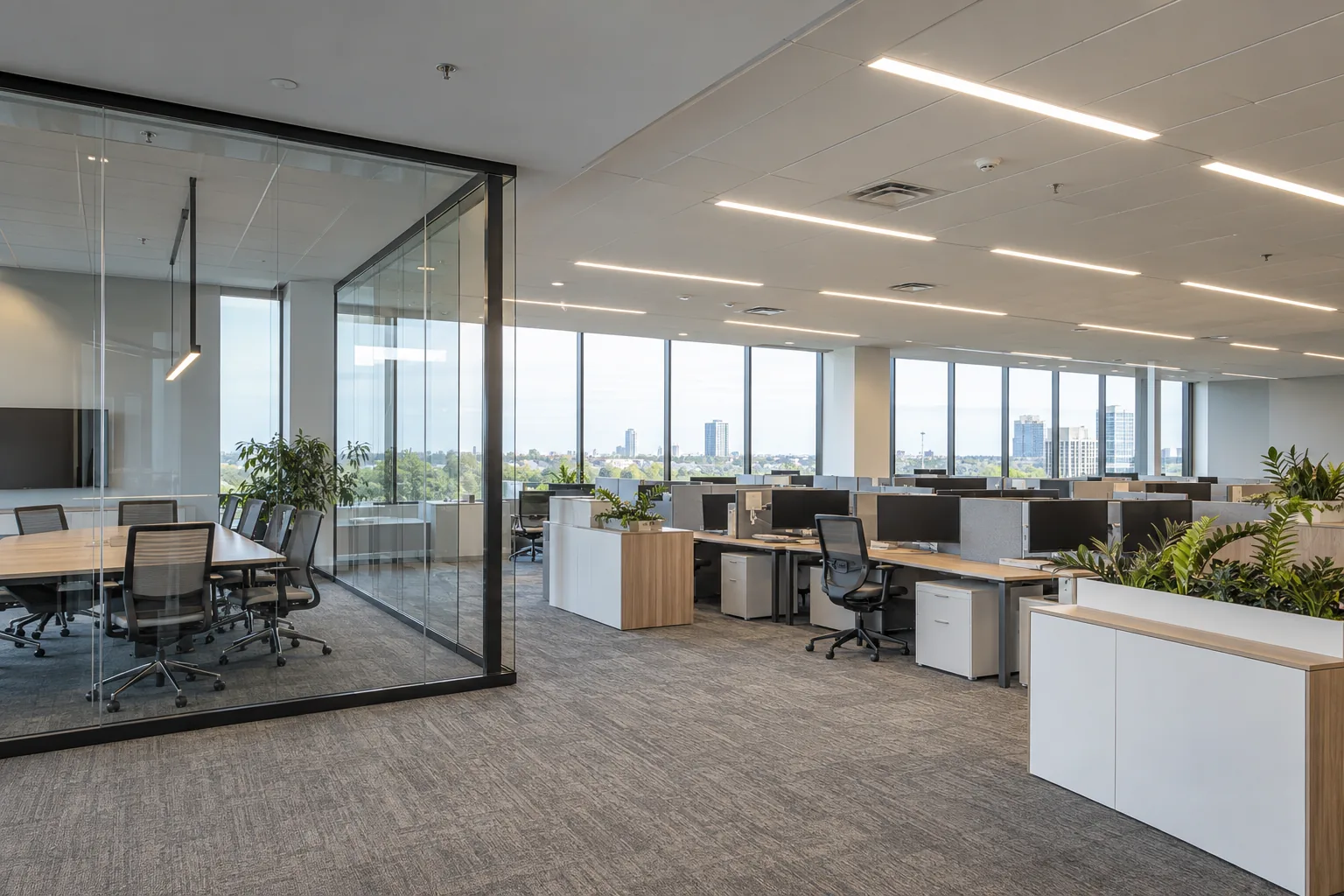
Let us know about the conditions that affect when and how the area can be reached. These may include active loading zones, occupied desks, customer hours, vehicle parking, security procedures or restricted access equipment routes. If working outside normal hours is important, identify the reason and the available windows.
After-hours work, phasing and special access arrangements need to be reviewed for the specific project. They should not be assumed from a general service description. Confirm who can authorize work and release the area, particularly in leased or multi-tenant properties. Where a landlord, board or internal procurement team must approve the scope, explain that process at the beginning.
What happens after an enquiry
The next discussion should clarify the request, identify missing information and establish the appropriate next step. Depending on the circumstances, that may involve further questions, a proposed site visit or a more specifically defined review. Any visit, scope, timing or applicable terms need confirmation before they should be treated as agreed.
If you need a particular deliverable, such as a detailed report for management or a scope separated by property, mention it explicitly. Do not assume that every service enquiry includes a complete design, energy model or building review. Clear expectations help make the resulting information useful to the people evaluating the work.

Prefer to speak about the project?
Use the phone contact displayed on this page if you prefer to explain the request verbally. Have the facility address, affected area and a short description ready. For a complicated property or several locations, a written summary and photographs may still be useful after the initial conversation.
If you submit the form, choose a contact method that you can monitor and check your details before sending. A successful form submission should not be treated as a confirmed booking. If you need to verify an important request, use a currently published contact method and identify the original enquiry so the discussion stays connected to the same property and issue.
Questions facility managers ask
Do I need to know whether the problem is a driver or a control?
No. Describe what the lights are doing and where the issue occurs. Note any pattern you have observed without attempting electrical diagnosis. The information helps define the next questions and possible service scope. Technical identification can be addressed through an appropriate review of the equipment and existing conditions.
Can I ask about repair and an upgrade in the same enquiry?
Yes. Explain the current fault first, then describe the longer-term change you are considering. Keeping the two objectives distinct makes it easier to discuss immediate service and broader options. Include any planned renovation or layout change so interim decisions can be considered in that context.
What if my facility is occupied throughout the day?
Describe the occupied areas, the busiest periods and any zones that can be temporarily released. Access and phasing can then be reviewed. Some work may require changes to normal operations, so it is important to agree the sequence and preparation responsibilities rather than assuming installation can proceed without any interruption.